Evaluating Annual Global Temperatures
Assessing annual global temperatures requires context because there is a fair amount of natural variability from one year to the next. Therefore, it is important to focus on the trend over time.
Historical Context
Historical examples show that global warming did not end in 1998, contrary to some claims made a couple of decades ago. This variation can be influenced by natural climate cycles, such as a run of La-Niña-dominated years following a very strong El Niño.
Greenhouse Gas Emissions
Annual greenhouse gas emissions are much less variable, having increased fairly steadily. However, many complicating factors can still muddy the picture, and sometimes these factors conspire to throw a year off the established trend.
Recent Analysis and Caveats
Looking ahead, 2026 is anticipated to be one of those years influenced by these complicating factors. A new analysis conducted by Corinne Le Quéré at the University of East Anglia provides specific data points regarding emissions:
- Fossil fuel emissions have fallen about 0.4 percent from last year.
- This figure should not be viewed as a peak symbolizing heartening progress on climate change.
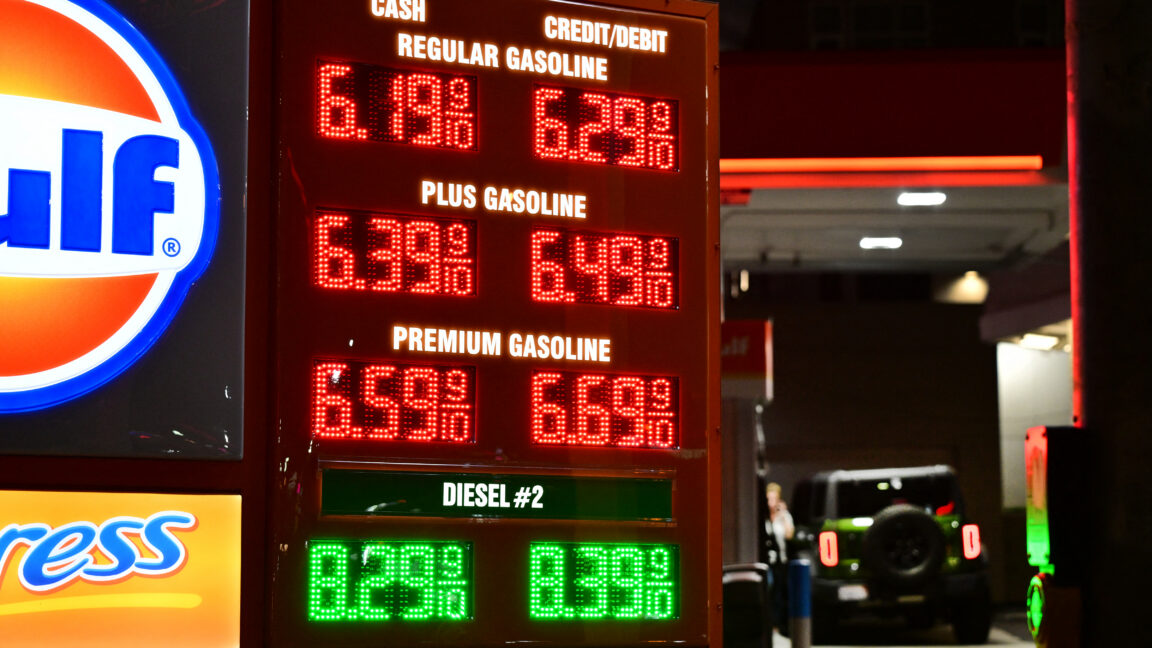
- The researchers suggest this represents a short-term dip driven by the war in Iran and its effect on oil prices.
Source
arstechnica.com
This story summarizes reporting from the publisher. Read the full piece at the source.
Written by
Hintsphere Staff
Writes for the Hintsphere desk.