Understanding the Great Unconformity
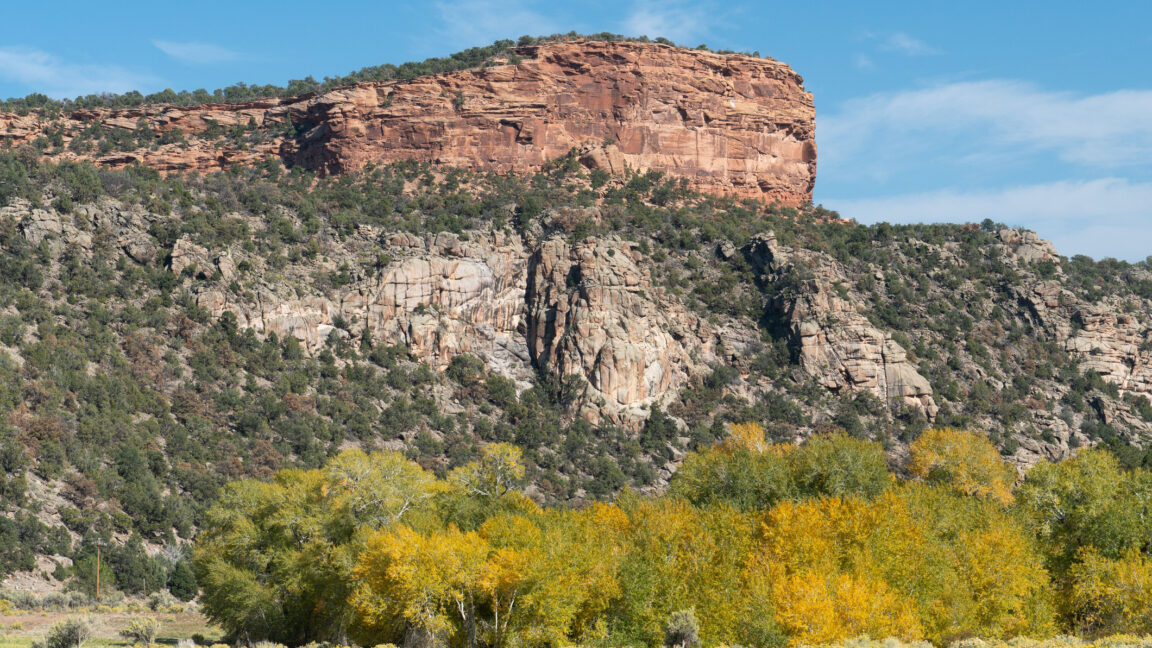
In the Grand Canyon, geologists observe a distinct line in the rock record known as the Great Unconformity. This feature represents a significant gap in Earth's geologic history, where ancient crystalline rocks at the bottom are overlain by sandstones laid down during the Cambrian explosion.
"It’s called the Great Unconformity, and it’s a gap in the geologic record," states Nicolas Flament, a geoscientist at the University of Wollongong, Australia.
The Scale of the Gap
The duration of this gap can vary significantly, spanning anywhere between 200 million years to more than a billion years.
Deep Earth Mechanisms
A recent study by Nicolas Flament and his colleague Santosh Dhungana suggests that this gap was carved by processes originating from deep within the planet.
Their models propose the following sequence of events:
- Slow currents of hot rock within Earth's mantle pushed entire continents upward for hundreds of millions of years.
- Glaciers subsequently ground down these uplifted continents.
- The continents then sank, allowing fresh sediments to bury the scar.
This suggests that the largest hole in the rock record may be a fingerprint of processes occurring deep in the planet's interior.
Sediment Age and Geographic Scope
The oldest sediments resting on the Great Unconformity in North America date back between 635 and 482 million years old.
Geologists have traced the presence of this unconformity across most of North America, as well as parts of northern Europe and northern China. Nicolas Flament notes that "Something seems to have happened, in particular in North America."
Source
arstechnica.com
This story summarizes reporting from the publisher. Read the full piece at the source.
Written by
Hintsphere Staff
Writes for the Hintsphere desk.