Sam Altman on DRAM Shortage: Why Using RAM in PCs is 'Terrible' for AI Data Centers
OpenAI CEO Sam Altman criticized the use of DRAM in personal computers, arguing it should be used for data centers to train AI models. The article details how memory scarcity, driven by AI investment, is affecting consumer prices and highlighting the divide between open-weight
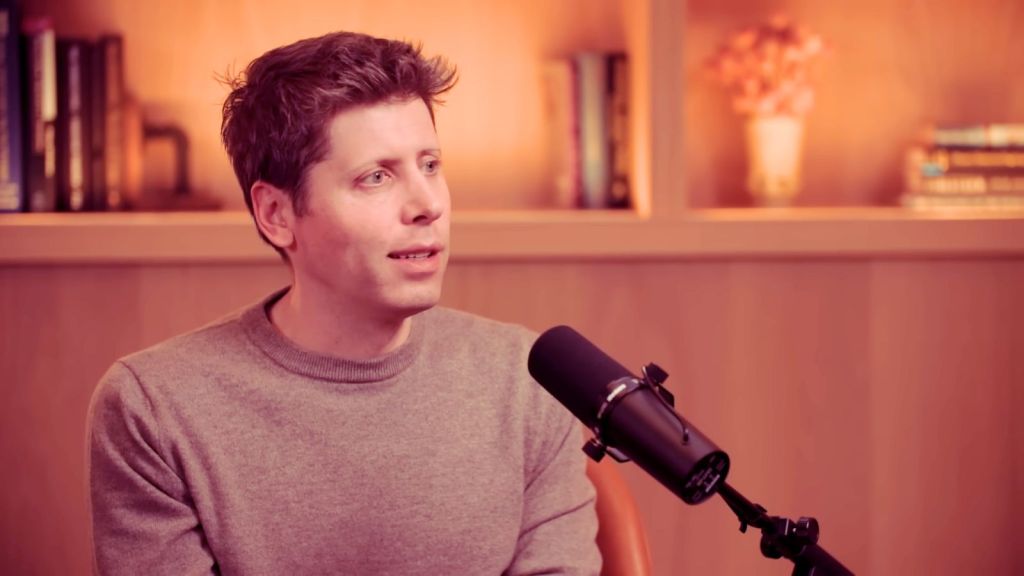
OpenAI CEO Sam Altman recently made controversial remarks regarding the use of Dynamic Random Access Memory (DRAM) in personal computers.
Altman suggested that it was “terrible” for RAM to be used in personal computers. He argued that scarce DRAM could be used more efficiently in data centres instead.
This alternative deployment would allow the memory to be used for training and running large AI models by companies like OpenAI.
Altman’s comments were made during an appearance on the Cheeky Pint podcast, which features prominent CEOs and industry leaders discussing developments in the tech world.
The discussion touched upon the ongoing, industry-wide shortage of DRAM and other memory chips, even as rising memory prices negatively affect PC gamers and smartphone buyers.
Sam Altman expressed concern regarding the assumption that local inference is a solved problem due to the availability of open-source models that can run on personal computers, eliminating the need for extensive data center resources.
Altman noted that from a global allocation perspective, having everyone possess a significant portion of the world’s limited supply of DRAM in their own computer, used only five percent of the time, is "quite terrible."
To deal with this supply-constrained environment, maximum utilization in the cloud is desired. However, many people’s intuition is the opposite of this requirement.
RAM is a foundational component of modern computing devices. It is integrated into almost every tech product purchased, including smartphones, tablets, laptops, a car’s infotainment system, and video game consoles.
The memory supply has become constrained due to the limited number of global players in the RAM business, including Samsung and SK Hynix. This constraint is exacerbated because AI companies are gaining initial access to memory for their data centers through long-term deals with cloud service operators. Furthermore, projects such as OpenAI’s Stargate have reserved a significant portion of the world’s RAM output for the coming years.
The financial scale of this trend is significant. According to The Wall Street Journal, the ChatGPT-maker’s projected computing-power spending through 2030 is approximately $750 billion. This massive rollout, alongside infrastructure expansions by tech giants like Google, Meta, and Amazon, is driving up prices for DRAM and other components. These price increases affect consumer products, including smartphones and laptops.
Beyond the memory crisis, Sam Altman’s comments highlighted a growing division in Silicon Valley concerning open-weight, self-hosted AI models compared to cloud-based, proprietary LLMs. Altman’s peers, such as Nvidia’s Jensen Huang and Meta’s Mark Zuckerberg, have previously advocated for open-weight AI models.
Altman also expressed mixed feelings regarding the speed of AI development, stating, “I don’t think we have done a great job of explaining to people why we think all of the potential downsides of this technology is worth it.”
Altman also shared more details about OpenAI’s purported breakthroughs in mathematics.
OpenAI recently published an AI-assisted solution to the Navier-Stokes problem, a problem that had vexed the field for decades. This publication drew criticism, with some mathematicians accusing the company of plagiarism.
Earlier this month, OpenAI followed up by publishing results for nearly 400 additional long-standing math problems.
Altman disclosed that one of the models OpenAI used internally to solve these complex math problems was known among employees as “Model Name-Hold My Beer.”
Altman described the experience of using the model, stating, “We had this collective experience of people’s hardest research problems from their academic career; the model was just knocking them down, one after the other.”
He further shared his personal experience, noting that he was up most of the night for two nights in a row due to excitement. He described feeling tremendously excited and happy, but also experiencing much more sadness and melancholy and a feeling of something ending than he had expected.