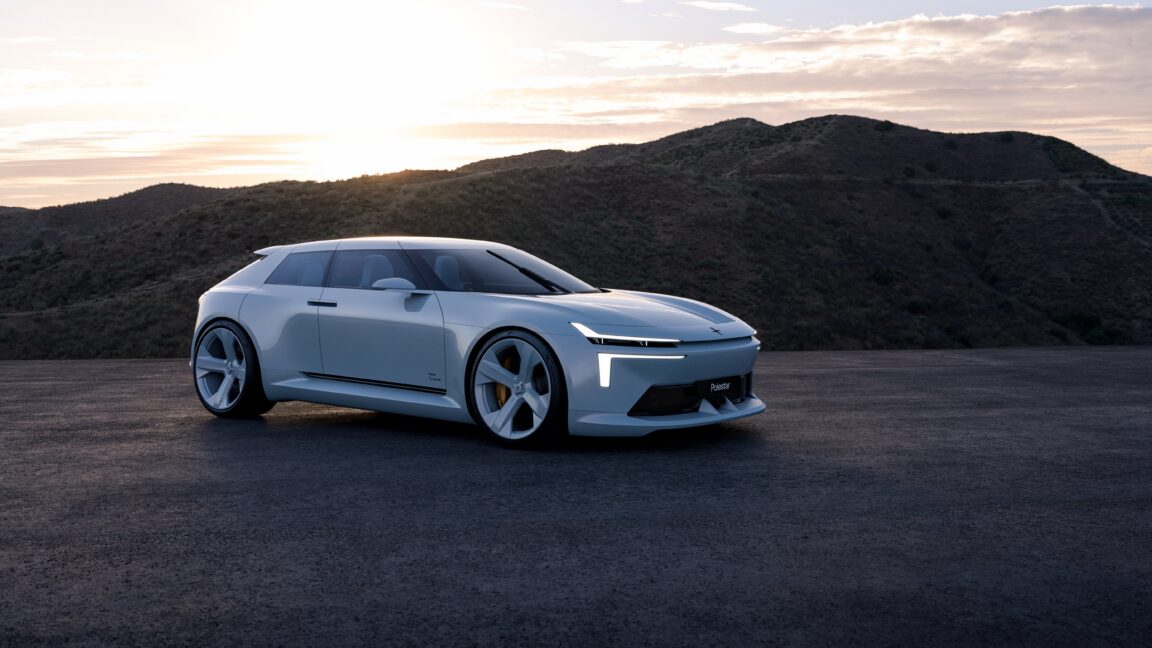
Polestar Unveils 2030 Concept
An electric automaker has debuted the Polestar 2030 concept. While only a small percentage of readers may be interested in this concept, it represents a new direction for the brand.
Brand Context and Vehicle Philosophy
Polestar originated from Volvo, which was formerly a racing team. The brand utilizes the resources of its parent automaker, Geely, to develop electric vehicles. These vehicles aim to combine a modern minimalist style with rewarding driving dynamics.
Market Challenges
Currently, consumers in the United States cannot purchase any Polestar vehicles because Geely is Chinese. This situation is compounded by the fact that banning Chinese-owned car brands receives remarkable bipartisan support in Congress.
Design and Segment Positioning
The Formula 2030 concept shares a similar length to the Polestar 2 but features a very low roofline. This two-box shape is reminiscent of the Saab Aero-X concept, which was one of the final concepts from the terminal Swedish automaker. This suggests Polestar has adopted Saab’s influence in many ways.
The rear lights shown on the concept are expected to appear in production Polestars.
Polestar positions the 2030 concept within its existing lineup, fitting into a segment between the next Polestar 2 and the Polestar 7. The brand numbers its cars chronologically, not based on size. However, Polestar has not confirmed if the hatchback form factor will be included in series production.
The concept demonstrates that successfully packaging rear seat passengers and a lithium-ion battery pack is not a concern for the design exercise. The focus of the concept is primarily a styling exercise.
Source
arstechnica.com
This story summarizes reporting from the publisher. Read the full piece at the source.
Written by
Hintsphere Staff
Writes for the Hintsphere desk.
