The AI Corruption Risk Revealed
In 2025, a panel co-convened by the UN Office of Drugs and Crime and the Organization of American States examined whether artificial intelligence poses the greatest corruption risk in history. In November 2026, the panelists’ deepest fears regarding the relationship between AI and corruption materialized, though not in the manner they anticipated.
The Source of Corruption
The fear that AI would enable corruption—such as making it easier to launder money, give bribes, or produce disinformation—was not rooted in the technology itself. Instead, the corruption of AI originated with its leaders: heads of state, government officials, and tech CEOs who steer the direction of AI governance.
Case Study: US Export Controls and Corruption
America’s current approach to AI governance, which utilizes export controls to regulate the supply of AI and its components, is cited as a factor fueling corruption. Corruption is defined here by Transparency International as the abuse of entrusted authority for private gain.
The Nvidia Example
One company, Nvidia, is presented as a poster child for corruption in the U.S. A specific example involves the Trump Administration’s actions concerning chip sales to China:
- Last year, the Trump Administration restricted sales of chips to China under U.S. law due to fears that these sales would provide the Chinese military with an advantage or undermine U.S. leadership in AI.
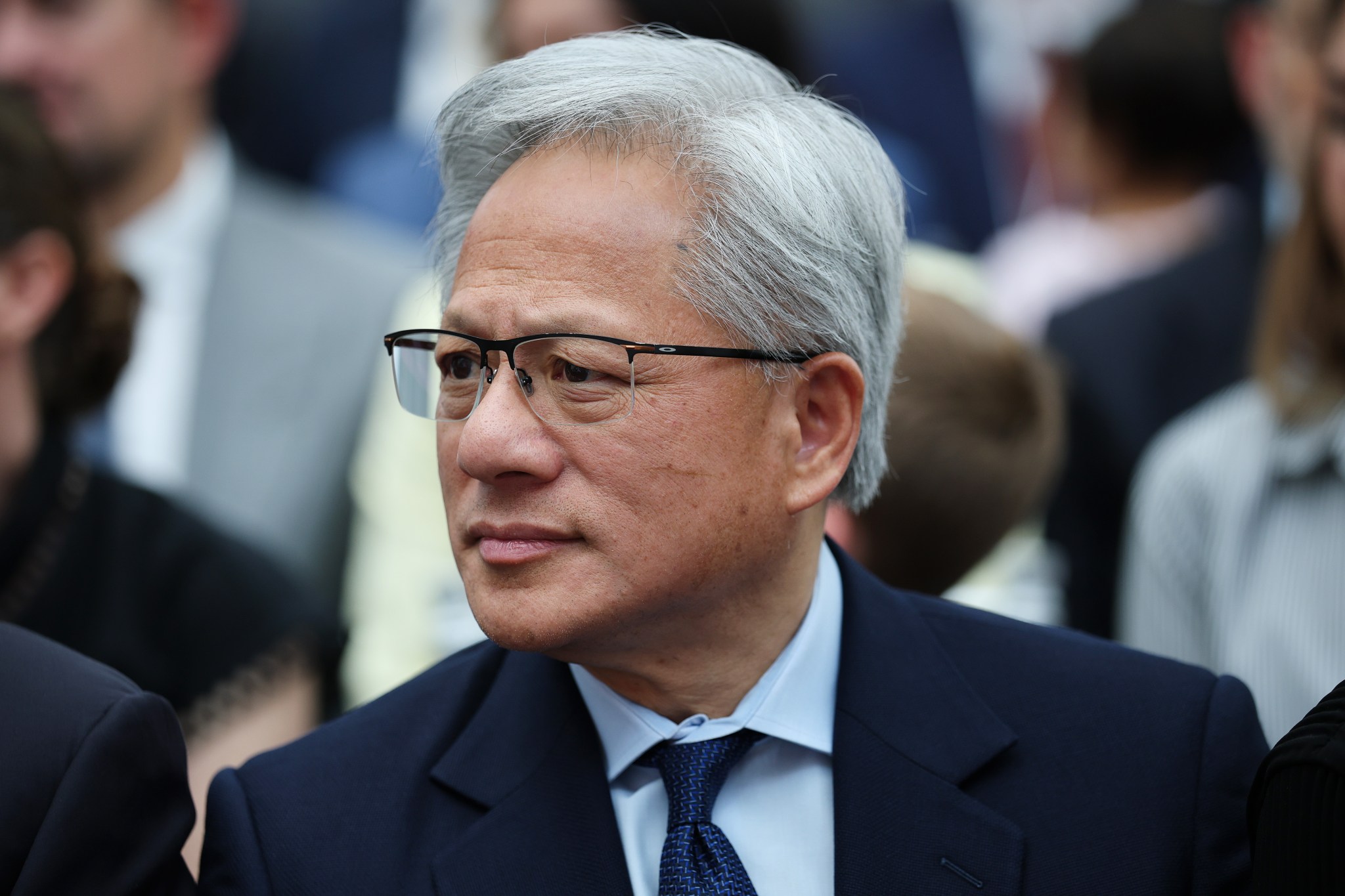
- The former CEO of Nvidia, Jensen Huang, reportedly used flattery and donations to influence the Trump Administration’s AI export policies.
- In December, Mr. Trump granted Nvidia permission to sell the H200, an older but still powerful AI chip, to China, provided the U.S. government received a cut of the sales.
- Another company, AMD, also received an exemption under similar terms.
Legal and Institutional Failures
The Congressional Research Service reported on legal protections, noting that Article I, Section 9, Clause 5 of the U.S. Constitution prohibits the federal imposition of export taxes and duties (not user fees), and 50 U.S.C. §4815(c) prohibits the Bureau of Industry and Security (BIS) from collecting fees for considering or issuing export licenses.
Further evidence of potential interference includes:
- Nvidia’s General Counsel, Tim Teter, seemed to interfere in an investigation concerning Nvidia’s sales to Chinese and Malaysian entities.
- Senior administration officials, such as Commerce Secretary Howard Lutnick, were warned about dangers surrounding Nvidia and its former CEO, but took no action.
Vulnerabilities of Export Controls
Export controls, while potentially useful, are highly vulnerable to corruption because they operate at the intersection of several critical areas:
- High-value restricted goods.
- Bureaucratic gatekeeping in customs, business, and trade policymaking agencies.
When governments restrict access to lucrative technologies, including dual-use items like chips or AI systems, they create massive financial incentives for bad actors to bribe officials or exploit regulatory blind spots to bypass rules. Export control systems rely on government officials to issue licenses, classify goods, and clear shipments through customs. This concentration of discretionary power allows corrupt officials to solicit bribes in exchange for faster approvals or looking the other way.
Furthermore, U.S. agencies struggle to coordinate trade, customs, and anti-corruption efforts, as these functions are controlled by different agencies. Export controls also generate artificial scarcity and high profits, particularly for dual-use items. Some buyers are willing to pay extremely high prices to receive a limited supply of AI services.
The opacity of export decisions, often involving classified intelligence or sensitive defense deals, means licensing and procurement processes frequently lack transparency and accountability. This makes it difficult for independent watchdogs to identify irregularities.
Market Dynamics and Policy Challenges
Competitors of Nvidia, including Google, Open AI, Amazon, Anthropic, and Microsoft—three of Nvidia’s largest clients—support legislation aimed at limiting Nvidia’s ability to export chips to China.
Given these problems, export controls are not considered the best tool for preventing adversaries from acquiring advanced AI systems or chips because they present numerous opportunities for corruption. Politico has reported that it is almost impossible for members of Congress to support loosening export controls, and studies show such controls are rarely effective. Furthermore, current export control implementation can negatively impact U.S. economic and technological competitiveness.
While no easy answers exist, the U.S. should collaborate with its Western allies to manage technology transfers that might threaten shared security interests.
Source
Fortune
This story summarizes reporting from the publisher. Read the full piece at the source.
Written by
Hintsphere Staff
Writes for the Hintsphere desk.
