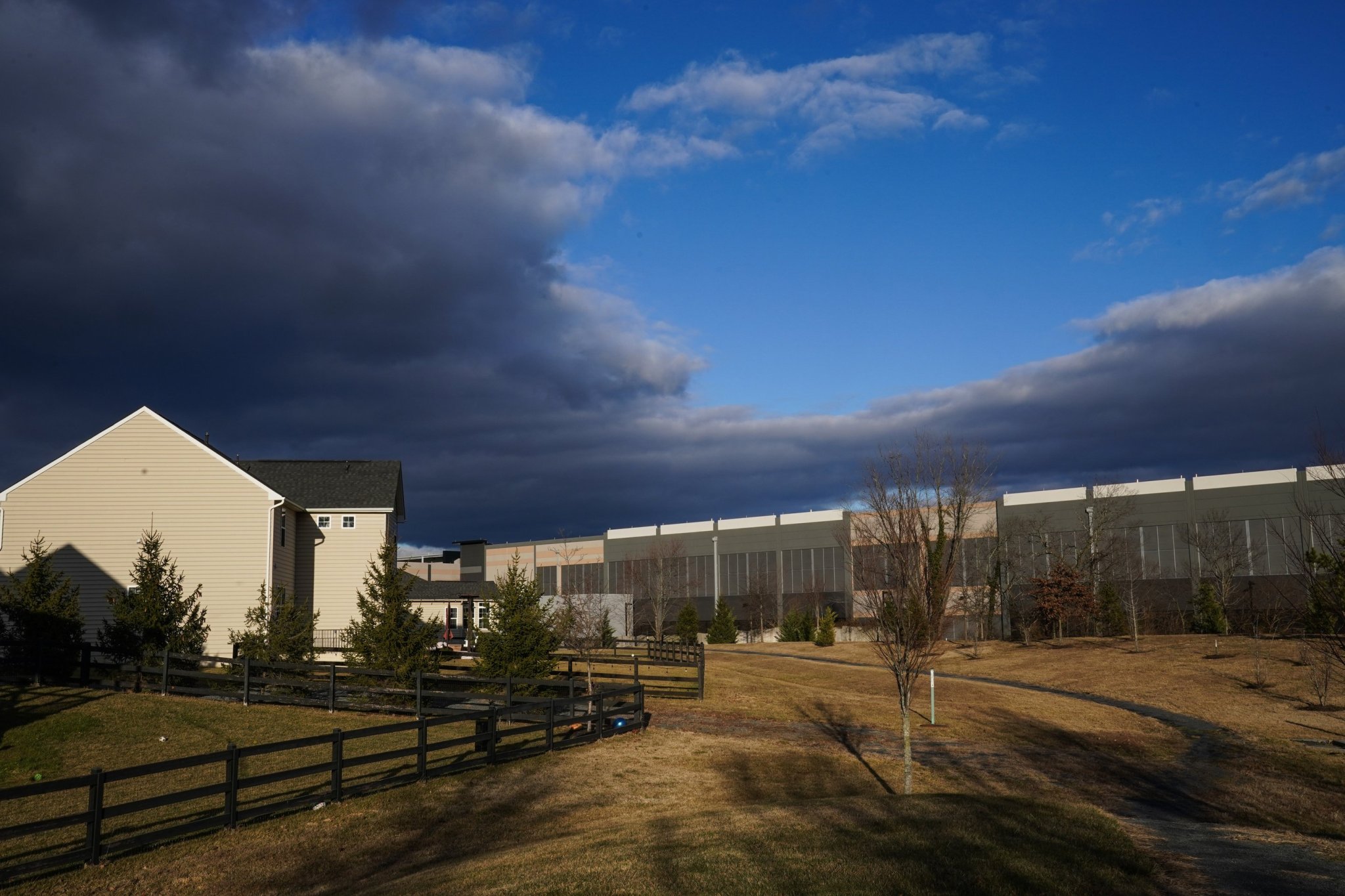
The Political Impact of Data Centers
Data centers have become a significant factor in electoral politics, influencing voting patterns and shaping political narratives, particularly in the context of the 2026 midterm elections. Concerns about these facilities are driving widespread pushback against their development.
Local Ballot Measures and Political Shifts
In the lead-up to the 2026 midterms, data centers were heavily featured on the ballot, with 41 local ballot initiatives concerning these facilities being put up for a vote across 10 states. Notably, all but one of these measures resulted in legislation designed to restrict or limit the development of data centers.
The impact of this opposition is visible in state-level races. In Ohio, the Democratic challenger Sherrod Brown successfully challenged incumbent Jon Husted, focusing on Husted's past support of data centers.
In Texas, the campaign of Gina Hinojosa highlighted Republican Governor Greg Abbott’s history of supporting tax breaks for data centers. Her victory marked a historic shift, breaking decades of Republican control in the state. As governor-elect, she immediately reaffirmed her pledge to pursue legislation protecting Texans from data centers.
Voter Sentiment and AI Infrastructure
Exit poll data from the midterm elections indicated that 56% of voters felt that data centers were a major or even a crucial factor in influencing their congressional vote. This concern was particularly pronounced among Black voters, who reported a share of 68%.
Data centers are essential components of artificial intelligence infrastructure, serving as the facilities that house the computing resources necessary to train AI models.
However, these massive facilities present significant drawbacks. Critics argue that they consume substantial amounts of energy and water, generate noise, and that the costs associated with land use, higher utility bills, and environmental degradation often outweigh the perceived benefits.
Disrupting Partisan Alignments
The narrative surrounding data centers is reshaping established political practices and power dynamics. Following the historic elections that shook up America’s political geography, the widespread opposition to data centers became a key part of the narrative explaining the dramatic results of the 2026 midterms.
Bipartisan Opposition and Local Resistance
In contrast to some other issues, the concern about data centers is relatively bipartisan. Surveys conducted by the Annenberg Public Policy Center in mid-2026 revealed that opposition was stronger among Democrats, at 69%, than Republicans, at 54%, though this opposition crossed traditional party lines.
Local ballot measures restricting data centers also cut across traditional political alignments. Communities ranging from deeply red Edgewater, Florida, to solidly blue Alhambra, California, voted to prohibit them. The margins for these restrictions were substantial, averaging 49 percentage points.
Despite the success of local restrictions, one restrictive measure failed to pass in Harwood, North Dakota, a community with a population around 800. Political and economic leaders in that area prevailed, arguing that restrictions would negatively impact local revenue and stifle overall economic development.
Congressional Dynamics and Regulatory Paths
The degree of bipartisanship around this issue is evident even in Congress. Several weeks before Election Day, the House passed the Ratepayer Protection Act by a 417-3 vote. This bill proposed requiring states to consider adopting a policy where data centers pay for the necessary upgrades to meet their high electricity demands.
The three 'nay' votes in the House came from progressives who felt the bill’s voluntary measures were insufficient to protect consumers. Similar concerns led to the failure of the Senate version, reminding observers that even allies sometimes follow different strategic paths.
Scholars at the Brookings Institution anticipate that the newly elected Congress will address the issue again, potentially with a directive to states to establish mandatory, rather than voluntary, requirements.
Political Campaigning and Market Reactions
As the midterm elections approached, candidates across the political spectrum utilized airwaves and digital platforms to promote advertisements against data centers. President Donald Trump suggested that opponents of data centers wanted their communities to be “backwards and poor.”
Some Republican candidates navigated a fine line, attempting to address voters’ concerns without alienating the president. However, the reported evidence regarding which direction candidates leaned remains limited. Voters considering data centers important does not indicate their political leanings.
The narrative that opposition to data centers helped fuel the Democrats’ historic midterm victory emerged quickly. The seeds of this argument were established beforehand by noting unusual alliances that marked the data center opposition in various cities and counties. These resistance efforts included zoning fights driven by diverse groups: environmentalists, voters concerned about high electricity costs, local-control advocates, and farmers worried about land consumption. These groups unite in opposition to projects backed by powerful corporate interests.
The impact of this political narrative is tangible in the market. For example, Elon Musk’s post on X on November 4th, stating, “Data centers in space looking pretty appealing right now,” was followed by a sell-off of data center-related stocks the following day.
Looking ahead to the 2028 presidential primaries, experts suggest that many Democratic and Republican hopefuls are expected to emphasize their support for data center restrictions and bans.
Source
Fortune
This story summarizes reporting from the publisher. Read the full piece at the source.
Written by
Hintsphere Staff
Writes for the Hintsphere desk.
