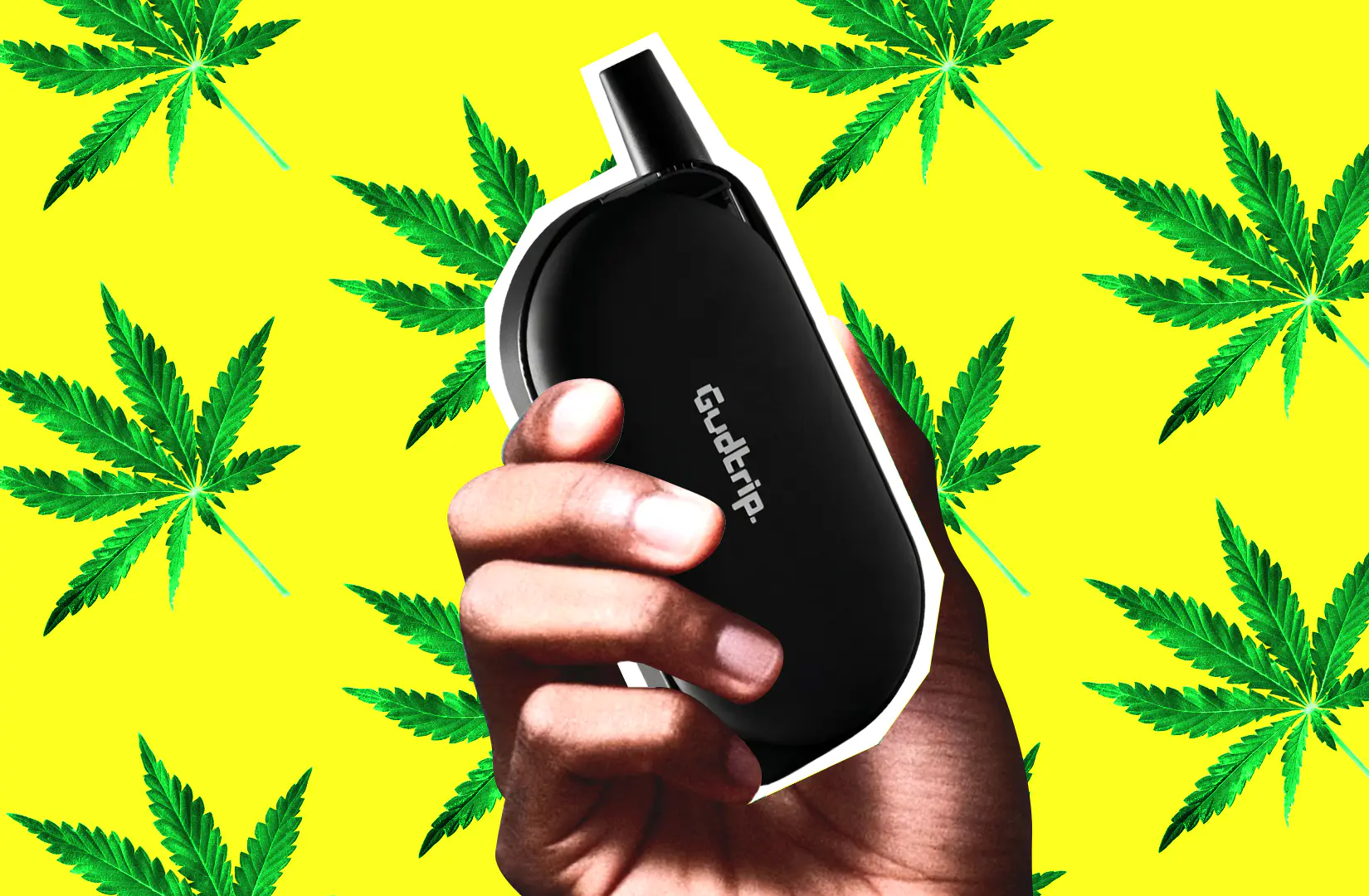
The Gamification of Cannabis Use: Examining Gudtrip’s Crypto Rewards
A California-based cannabis vape pen company, Gudtrip, is facing significant alarm from health experts and anti-drug campaigners due to its model which rewards customers with cryptocurrency for using its product. The company markets itself as building a user-powered network that integrates cannabis, Bitcoin, and artificial intelligence, with the tagline reading, “Every hit earns crypto.”
The Mechanism of Rewards and Potential for Addiction
The system implemented by Gudtrip involves customers using the vape pen and connecting it to an application. This process rewards users with Bitcoin and points for using the pen. The system is designed to encourage frequent engagement, as daily “checking-in” creates streaks that can increase the points earned by up to 200%.
Researchers studying cannabis consumption have raised serious concerns, suggesting that encouraging daily use is potentially dangerous and habit-forming. Some experts argue that gamifying cannabis use sounds like the goal is habit formation.
Experts warn that linking a reward to a puff or smoking session reinforces the behavior, increasing the chance of escalating use and even developing an addiction. Janna Cousijn, head of the Neuroscience of Addiction Lab at the Erasmus University Rotterdam, stated that such a device could be potentially very dangerous and unethical, stimulating the development of addiction.
Industry Trends: Crypto, Gambling, and Boundary Pushing
The crypto industry has recently become a focal point for products that gamify finance, blurring the lines between investing and gambling, and pushing the boundaries of current legal regulations. For instance, blockchain-based prediction markets have surged into a $21 billion industry, allowing users to bet on outcomes ranging from sports and politics to whether the US government will confirm the existence of aliens.
\p>Gudtrip aligns itself with this crypto trend, advertising that customers can invest their rewards using “open-source AI agent tools” in “blockchain-based strategies.” Many US states, gaming regulators, and lawmakers contend that prediction markets are essentially gambling, although platform proponents argue they are financial trading platforms.Ethical Concerns and Health Risks of Cannabis Consumption
There is a substantial body of research linking heavy cannabis consumption, including daily or near-daily use, to a range of negative health effects. These adverse consequences include increased risk of mental health disorders such as anxiety, depression, and psychosis, impairments in memory, attention, and learning, respiratory problems, and an elevated risk of heart attacks and strokes.
Francesca Filbey, a researcher studying the long-term effects of cannabis use at the University of Texas at Dallas, noted that any product designed to incentivize frequent cannabis use raises significant ethical concerns from a public health perspective.
\p>While many studies show that the health impacts of cannabis are reduced for those who use the drug only occasionally, the risk increases significantly with increased usage. Tom Freeman, director of the Addiction and Mental Health Group specializing in cannabis mental health impacts, emphasized that the best way to manage risk is through careful and informed choices based on THC content and following safer use guidelines. \p>Freeman warned that providing incentives for people who consume more will impair their ability to make choices in the best interests of their health, thereby escalating their use and risk of harms.Contradictions in Company Claims and Reward Structure
The Gudtrip spokesperson stated that the only financial reward within the product is Bitcoin, which is part of a “standard consumer loyalty programme” and is not scaled, gated, or otherwise associated with the level, frequency, or duration of cannabis consumption. Furthermore, the spokesperson asserted that the points customers earn are “used solely for record-keeping in the app” and cannot be redeemed for cash, cryptocurrency, products, or anything else of monetary value.
This claim stands in direct contradiction to information found on the Gudtrip website, which tells potential customers that “every hit earns crypto,” and displays images of an app user earning a 200% “boost” after “checking-in” to the app consecutively for four days.
The marketing philosophy presented by Gudtrip reads: “In the old consumer model, users bought products and brands kept the upside. In the Gudtrip model, users help build the network and deserve to share in the value they create.”
The Risk of Tokenization and Financialization
In the crypto industry, issuing so-called points is widely understood as laying the groundwork for issuing a valuable crypto token. Over the last few years, dozens of crypto projects have issued points and subsequently converted them into valuable crypto tokens. Individuals who earn points often become certain that they will eventually be worth money, leading them to buy and sell these tokens on secondary markets.
\p>Puffpaw, the parent company of Gudtrip, has explicitly stated that it plans to launch a token in the future. This trend suggests that customers may believe the points are not merely a record-keeping tool.Regulatory Landscape and Industry Self-Regulation
For other drugs and controlled substances in the United States, industry players adhere to voluntary self-regulatory codes. An example is the alcohol industry, where the Distilled Spirits Council’s Code of Responsible Practice explicitly mandates that advertising and promotion must “discourage excessive or abusive consumption,” and avoid depicting drinking games or other activities that reward heavy drinking.
\p>Cannabis, however, remains illegal at the federal level, which complicates the ability of the industry to unite and enforce best practices.The National Cannabis Industry Association, the largest US nonprofit trade organization representing cannabis businesses, did not respond to a request for comment. Instead, states that have legalized cannabis have developed their own independent rules.
State-Level Regulatory Conflicts
Currently, Gudtrip vape pens are only available in California, one of 25 US states that has legalized recreational cannabis use. California differs from many other states because it does not explicitly prohibit advertising or other forms of promotion that encourage excessive drug use.
\p>In contrast, some states, such as Massachusetts, previously banned customer loyalty programs for cannabis products specifically to avoid encouraging overconsumption. These prohibitions were lifted on April 20.Kevin Sabet, CEO of Smart Approaches to Marijuana, a non-profit organization opposing the legalization and commercialization of cannabis, stated that “Paying people to use this stuff — literally paying them — is unacceptable.” He concluded by calling for action: “California's financial and health authorities need to act against this insanity.”
\p>Jordan Traverso, deputy director of public affairs at the Department of Cannabis Control (DCC), which licenses and regulates commercial cannabis activity in California, commented on the product. Traverso noted that the Department of Cannabis Control does not promote increased consumption of cannabis and encourages those who use cannabis to do so responsibly. Traverso further stated that the DCC had not previously been familiar with the Gudtrip product but had reached out to the manufacturer to learn more about its features.Source
DL News
This story summarizes reporting from the publisher. Read the full piece at the source.
Written by
Hintsphere Staff
Writes for the Hintsphere desk.
