Bitcoin Faces Market Downturn and Investor Skepticism
Bitcoin experienced a significant decline, falling more than 4% on Friday to $68,500. This drop wiped out gains accumulated over the past three months and has raised questions about whether the bear market is over. According to crypto analytics provider CryptoQuant, the asset is facing weaker investor appetite. The firm’s demand indicator recorded its weakest reading since December 2023, and Bitcoin exchange-traded funds have once again become net sellers.
Market Liquidity and Crypto Market Contraction
The downturn extends beyond Bitcoin, affecting other parts of the crypto market. Specifically, Tether’s USDT, the largest cryptocurrency pegged to the U.S. dollar, saw its total value shrink by $7.7 billion over the last two months. This shrinkage signals that less cash is currently available within crypto markets.
The Role of Inflation and Monetary Policy
Inflation has been identified as the main driver behind the market volatility. The Consumer Price Index (CPI) report released on Tuesday showed that prices rose 0.4% in October, which was more than what economists had expected. Furthermore, inflation ran hotter than forecast even after excluding food and energy costs.
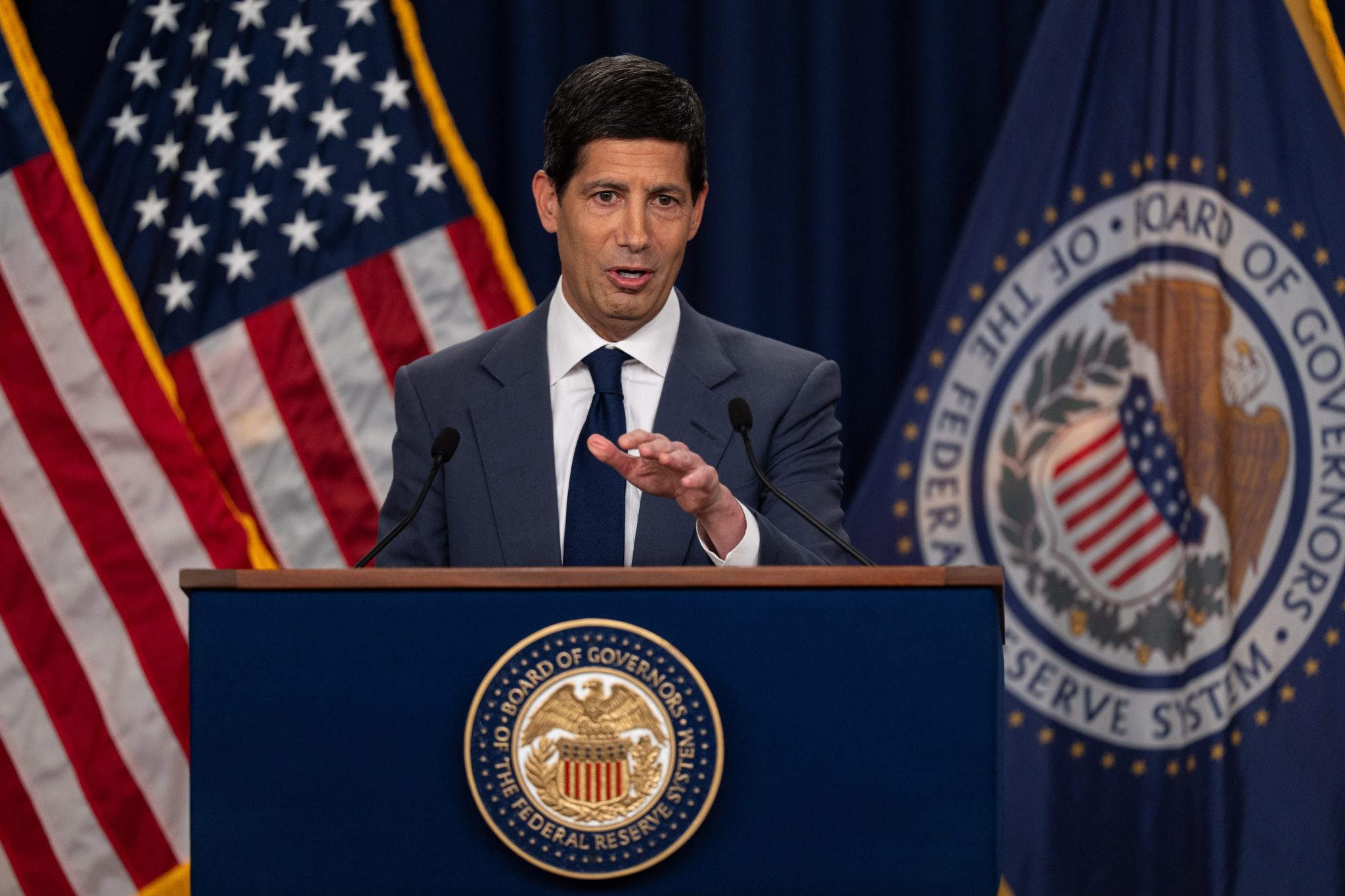
Traders are overwhelmingly anticipating that the Federal Reserve will raise interest rates by a quarter percentage point in December, with some betting on an even larger increase. Market analysts suggest that non-yielding assets, such as Bitcoin and gold, are being sold to acquire government bonds that are increasing, providing investors with income.
Commodity Performance
Gold has also seen a downturn. Trading data indicates that gold traded near $3,900 an ounce on Friday, falling significantly below its January peak of approximately $5,600. Over the past month, gold has fallen roughly 5%, and nearly 5% from a year ago.
Political Factors and Recovery
Bitcoin’s recent drop dealt a fresh blow to investors who had only recently stabilized after months of losses. Optimism briefly returned in August following the U.S. Treasury’s announcement regarding plans to expand bond buybacks, which propelled Bitcoin to $86,000 in September. However, the asset has been sliding since that rally.
Recent political developments have complicated the recovery. The midterm elections resulted in Democrats gaining control of Congress, which is a setback for a crypto industry that has relied on Republican allies for favorable legislation. Nevertheless, Bitcoin held its position until Friday.
Stephen Coltman, head of macro at 21Shares, noted that the midterm results were not a surprise and do not alter current regulatory interpretations. He added that the market benefits from having regulatory stability for two years.
The Impact of the AI Boom
The outlook for Bitcoin is also shaped by the competing forces of the AI boom. Analysts observe that the cryptocurrency is involved in the AI boom, which competes for investors’ money while simultaneously supporting an economy strong enough to maintain high interest rates.
Heavy borrowing and spending directed toward AI have created what 21Shares terms an “AI black hole,” drawing investment away from assets like Bitcoin and gold. This dynamic creates a challenging position for Bitcoin: it is “joined at the hip” with tech stocks, facing competition for investment dollars when AI enthusiasm is high, yet it can be negatively affected when that enthusiasm fades.
However, the AI spending helps prop up an otherwise weak economy, allowing the Federal Reserve to maintain high rates to combat inflation. A potential scenario exists where rising borrowing costs force AI companies to reduce spending, which could weaken the economy enough to push the Fed to change its policy, potentially offering Bitcoin some breathing room.
Source
Fortune
This story summarizes reporting from the publisher. Read the full piece at the source.
Written by
Hintsphere Staff
Writes for the Hintsphere desk.
