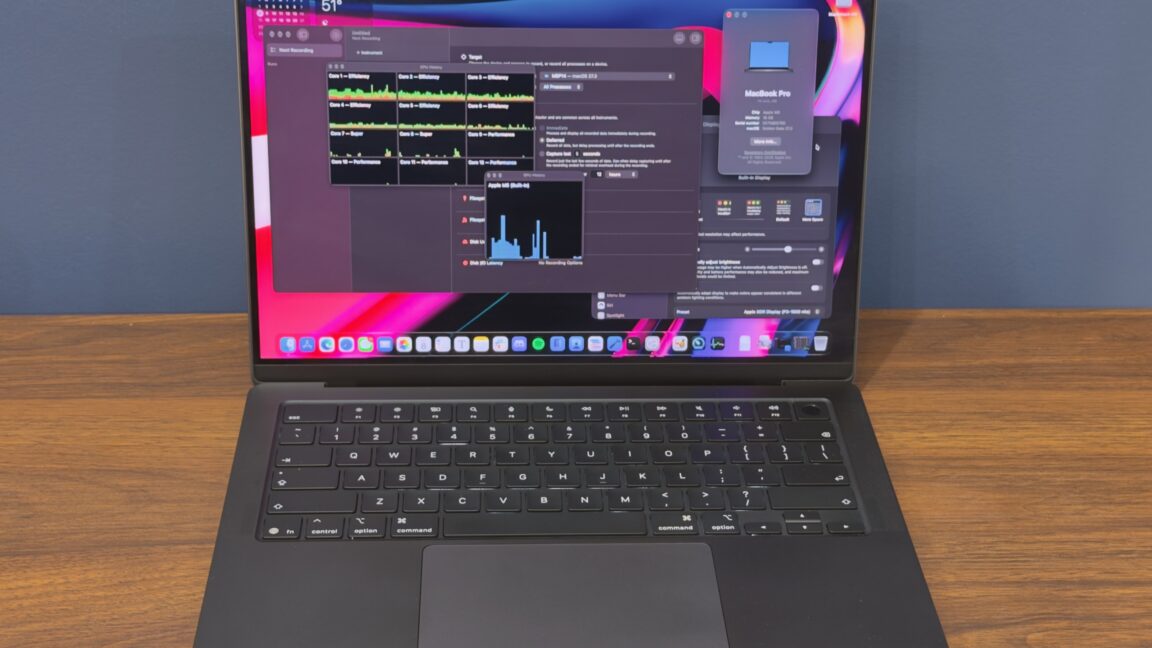
The Positioning of the Entry-Level MacBook Pro
Apple's entry-level 14-inch MacBook Pro occupies a unique and uncomfortable position, situated between the MacBook Air and the higher-end MacBook Pros.
Design Hierarchy and Specification Compromises
The design philosophy across the MacBook Pro line shows clear differentiation based on model tier. The best versions of the laptop, such as the M5 refresh, share the basic design and external features of the higher-end MacBook Pros. However, these models are limited by a more modest processor and a lower ceiling for specifications like RAM and storage.
Conversely, lesser versions often adhere to older designs or involve other compromises. Apple reserves its most updated designs and screen technologies exclusively for the more expensive high-end models.
Historical Design Shifts
Historically, certain models have adhered to older designs. For example, the 13-inch M1 and M2 MacBook Pros utilized Apple's 2016-era MacBook Pro designs for everything, including the now-abandoned Touch Bar.
Current Entry-Level Features and Hardware
This year's entry-level MacBook Pro generally aligns with the category of older designs and compromises. While it does include an Apple M6 chip, rumors suggest the M6 will not be available in Pro, Max, or Ultra configurations. This creates fringe benefits that cannot be accessed in the top-tier MacBook Pros.
Design Specifications
The current design lacks several features common in other models. These omissions include:
- No touchscreen
- No OLED panel
- No Dynamic Island
- No half-pound weight reduction
- No glowing Apple logo on the lid
Despite these missing features, the device utilizes the same MacBook Pro design that Apple has been using since 2021.
Source
arstechnica.com
This story summarizes reporting from the publisher. Read the full piece at the source.
Written by
Hintsphere Staff
Writes for the Hintsphere desk.
