Iron Smelting in Ancient Great Zimbabwe
The extraction of iron from its ore was not easy, but the peoples of the ancient city of Great Zimbabwe, a thriving kingdom in southern Africa between 1000 and 1700 AD, were masters of the process.
Archaeological Evidence
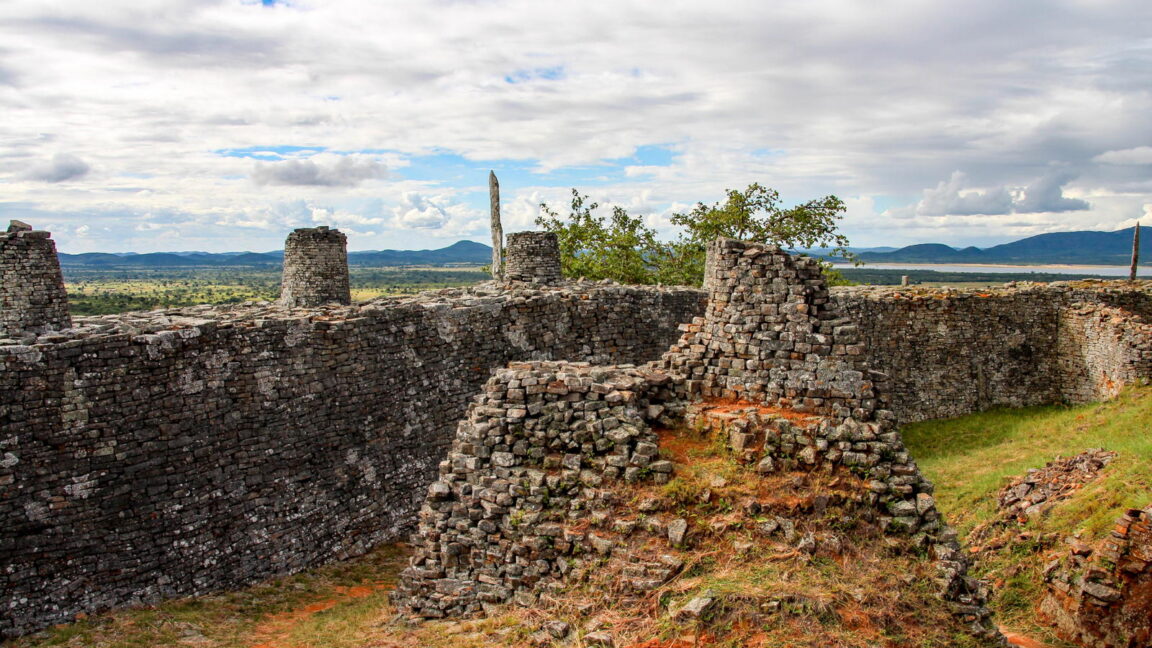
Evidence of this technology survives today in the form of clusters of iron-smelting furnaces found as mounds of rubble near the city’s stone ruins. Furthermore, fragments found at Mashava, a village located 25 miles northwest, show fingermarks left by those who smoothed the clay interiors of the structures.
Furnace Design and Operation
The furnaces used by these ancient smiths were robustly constructed. Some furnaces were nearly an adult’s arm span in width, featuring walls that were thick and strong enough to contain the intense heat required for smelting.
The smelting process required temperatures exceeding 2,100° Fahrenheit.
A key feature distinguishing these furnaces was their design for air management. Unlike other methods that required workers to force air into them using bellows, these furnaces were engineered to suck air in and expel it through a chimney, eliminating the need for human labor.
Products
The iron produced through this method was fashioned into essential tools, including hoes, axes, and arrowheads.
Source
arstechnica.com
This story summarizes reporting from the publisher. Read the full piece at the source.
Written by
Hintsphere Staff
Writes for the Hintsphere desk.