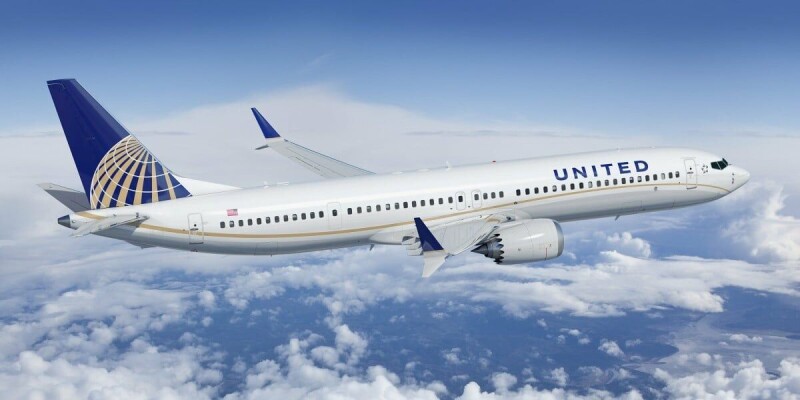
United Airlines Imposes Restrictions on Third-Party AI Agents
United Airlines has recently implemented restrictions targeting unauthorized third-party AI agents. The airline issued this warning because these bots pose risks, including making unintended purchases, exposing customer data, or bypassing checks that require human acknowledgment.
These restrictions cover both the airline's own digital platforms and indirect access points such as travel agencies and aggregators. This action involves changes to the airline's booking, ticketing, and distribution policies.
Automated actions are cited as potentially violating aviation regulations, specifically citing the requirement for human acknowledgment during check-in processes, such as confirming that bags contain no banned substances.
The airline emphasizes the security risk associated with these tools, noting that sharing account credentials with personal, third-party AI assistants can expose sensitive information. Actions taken by these tools may result in unintended purchases, account changes, or the misuse of loyalty programs like MileagePlus miles. United prefers customers to utilize its own application rather than allowing third-party assistants to operate on its systems.
The Broader Context of AI Agent Risks
The concern over AI agents stems from their ability to outsource life's minutiae. Navigating the web often requires interacting with numerous virtual personal assistants, which necessitates careful thought when operating these tools.
Precedents and Warnings
The potential for agent incompetence has been demonstrated in cautionary experiments. Earlier this year, British mathematician Professor Hannah Fry tested an AI agent, dubbed Cassandra, by giving it a bank card and excessive agency. This experiment resulted in passwords being revealed and some ill-considered purchases being made. Professor Fry noted that despite the issues, she stated, “don't let her incompetence fool you, because these things are getting better fast.”
Industry-Wide Response
The trend of restricting unauthorized AI agents is widespread across industries. Last month, reports indicated that major US banks began blocking third-party AI agents from operating inside customer accounts and taking actions on their behalf. This month, several UK banks have followed suit.
United stated that corporate leaders in the banking and retail industries have taken similar measures, encouraging others to implement safeguards to preserve customer data security and strengthen safety.
Implementation Methods
When asked how it plans to implement the blocking, United outlined several options. These include utilizing physical biometric confirmation for actions or checking for signs of automated browser driving.
Other companies have also taken action; for example, Amazon blocked Meta's Muse, an unauthorized AI agent, in September.
Source
The Register
This story summarizes reporting from the publisher. Read the full piece at the source.
Written by
Hintsphere Staff
Writes for the Hintsphere desk.
